EN
EN
 Italiano
  Deutsch
  Français
  Español
  Polski


How to stay comfortable during long haul travel
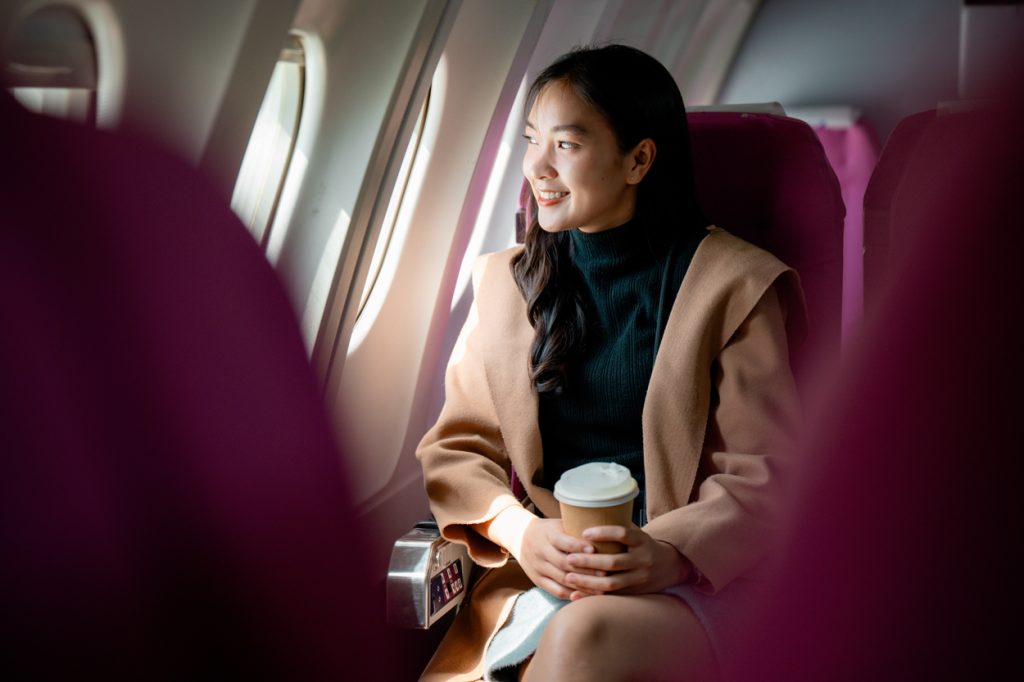
Long haul travel is often part of the adventure. Whether you’re flying across continents or spending an entire day moving between countries, these long journeys usually mean cramped seats, dry air, jet lag, and tired bodies. For tourists, staying comfortable during long haul travel can make the difference between arriving excited or completely exhausted.
The good news? Comfort isn’t about flying first class or spending a fortune. With the right preparation and a few smart travel tips, you can arrive feeling far better, even after 10–15 hours on the move. This guide shares practical, realistic advice—just like a local traveler would—to help you stay comfortable before, during, and after long haul travel.
Why long haul travel can be so uncomfortable
Understanding what makes long journeys tough helps you prepare better.
Long haul travel often involves:
- Sitting in one position for many hours
- Limited legroom and personal space
- Dry cabin air that causes dehydration
- Interrupted sleep and time zone changes
All of this affects your circulation, energy levels, and mood. That’s why comfort should be planned, not left to chance.
Preparing before your long haul journey
Comfort starts long before you board the plane.
Choosing the right seat
Your seat choice matters more than many tourists realize.
- Aisle seats make it easier to stand, stretch, and walk around
- Window seats are better if you plan to sleep without being disturbed
- Extra legroom seats can be worth it on very long flights
If you’re tall or have joint issues, prioritizing legroom can significantly improve comfort during long haul travel.
Packing a comfort-focused carry-on
A well-packed carry-on is one of the best travel tips for long flights.
Include:
- Neck pillow or inflatable travel pillow
- Eye mask and earplugs or noise-canceling headphones
- Lip balm, hand cream, and face mist
- Compression socks to improve circulation
- Reusable water bottle
Keep everything within easy reach so you don’t need to stand up constantly.
Planning your sleep and flight time
If possible, start adjusting your sleep schedule a few days before departure. Even shifting bedtime by an hour helps.
For long haul travel:
- Overnight flights work well if you can sleep on planes
- Daytime flights are easier if you struggle to sleep sitting up
There’s no perfect choice—pick what suits your body best.
What to wear for maximum comfort during long haul travel
What you wear matters more than you might expect on long journeys. Tight or stiff clothing can feel fine at the airport but quickly become uncomfortable once you’ve been sitting for hours.
Loose, breathable fabrics work best, especially when paired with layers. Cabin temperatures change often, and being able to add or remove a layer keeps you comfortable without fuss. Shoes should be easy to slip on and off, since feet often swell during long haul travel.
This isn’t the time for brand-new shoes or restrictive outfits. Comfort always wins over style when you’re traveling long distances.
Staying comfortable during the journey
Once you’re on board, small habits make a big difference to how you feel when you arrive.
Move, stretch, and improve circulation
Sitting still for hours is one of the hardest parts of long haul travel. Even simple movements help. Rotating your ankles, stretching your legs, or gently rolling your shoulders while seated can reduce stiffness.
When it’s safe, standing up and walking the aisle for a minute or two helps circulation and keeps your body from feeling locked in one position. You don’t need a full workout: just regular movement.
Eating and drinking the right way
Hydration is one of the most important travel tips, yet many tourists forget about it. Drinking water regularly, even if you don’t feel thirsty, helps fight fatigue and headaches.
Try to go easy on alcohol and caffeine, as both can dehydrate you and disrupt sleep. Lighter meals usually feel better than heavy ones during long haul travel, and bringing familiar snacks can help if airline food doesn’t suit you.
Managing boredom and mental fatigue
Long journeys can feel endless if you’re not mentally prepared. Having a mix of entertainment options makes a big difference. Watching a movie, listening to a podcast, then switching to a book helps time pass faster than sticking to just one activity.
Mental comfort matters just as much as physical comfort, especially on very long flights.
How to sleep better during long haul travel
Sleeping on a plane isn’t easy, but even short periods of rest help. Blocking out light and noise makes a noticeable difference, which is why eye masks and headphones are so popular with frequent travelers.
Rather than forcing yourself to sleep for hours, aim for short rest periods. Closing your eyes, relaxing your body, and drifting lightly can still leave you feeling more refreshed than staying awake the entire time.
Managing comfort after arrival
Long haul travel doesn’t end when the plane lands. For many tourists, this is when tiredness really sets in.
Airports can feel overwhelming after a long flight, especially in an unfamiliar country. Planning how you’ll get to your accommodation ahead of time removes a lot of stress. Many travelers prefer pre-booked transport so they don’t have to make decisions while exhausted.
In several European cities, services like Terravision offer direct bus connections between airports and city centers. After long haul travel, having a simple, reliable transfer means you can sit down, store your luggage easily, and switch off for a bit instead of navigating complex transport systems.
Once you arrive at your hotel or apartment, drink some water, stretch your legs, and try to get a little fresh air. If it’s daytime, avoid going straight to bed. These small steps help your body adjust more smoothly.
Reducing jet lag and recovering faster
Jet lag is one of the most frustrating parts of long haul travel, but you can reduce its impact. Getting natural daylight at your destination helps reset your internal clock, even if you feel tired.
Eating meals at local times and staying lightly active—like taking a short walk—also helps your body adapt. Short naps are fine, but long daytime sleep often makes jet lag worse rather than better.
Long haul travel tips for different types of tourists
Not everyone experiences long haul travel the same way. Your comfort needs can change a lot depending on who you’re traveling with and what your body is used to.
- If you’re traveling solo, comfort often comes down to flexibility. An aisle seat usually makes life easier, especially on long flights where you’ll want to stand up, stretch, or head to the restroom without feeling awkward. Keeping your essentials organized—passport, headphones, snacks—also reduces stress and makes the journey feel calmer.
- For families traveling with children, familiarity is key. Long journeys are much easier when kids have snacks they already like, a favorite toy, or something comforting from home. Encouraging children to stand up, stretch, or walk a little during the flight can also help them stay more relaxed and restless-free.
- Older travelers may need to be a bit more intentional about comfort. Wearing compression socks can really help with circulation, especially on flights over eight hours. Taking regular movement breaks, even short ones, and drinking water often can make a noticeable difference in how you feel when you arrive.
No matter your travel style, a little extra preparation goes a long way. Long haul travel is much easier when you plan around your own comfort needs instead of trying to push through discomfort.
Common mistakes to avoid during long haul travel
Many comfort issues come from small mistakes. Overpacking your carry-on, forgetting to drink water, or staying seated for too long can make a long journey much harder than it needs to be.
Another common mistake is not planning what happens after landing. Long haul travel feels far more manageable when you think beyond the flight itself and plan the full journey.
FAQ
How do I stay comfortable on a 10–15 hour flight?
Wear comfortable clothing, stay hydrated, move regularly, and pack essential comfort items like a neck pillow and eye mask.
What should I pack for long haul travel?
Focus on comfort: layers, compression socks, toiletries, entertainment, and healthy snacks.
How can tourists reduce jet lag naturally?
Get sunlight, eat at local times, stay hydrated, and avoid long daytime naps.
Is it better to sleep or stay awake on arrival?
If it’s daytime, try to stay awake until evening to adjust faster to the new time zone.
Travelling solo in Europe : airport errors that cost time, money and confidence
September 29, 2026
Rome with elderly parents: how to plan a family trip
September 22, 2026
Travel tips in Europe: small luxuries that make a big difference
July 31, 2026
Planning a trip? Here’s the best time to visit Europe
May 19, 2026
Digital nomad Europe – best cities for remote workers based on airport connections
May 12, 2026
What time do I need to be at the airport
April 28, 2026
Tips for a smooth trip when you travel with kids
March 24, 2026