EN
EN
 Italiano
  Deutsch
  Français
  Español
  Polski


Hidden spots in London most tourists miss
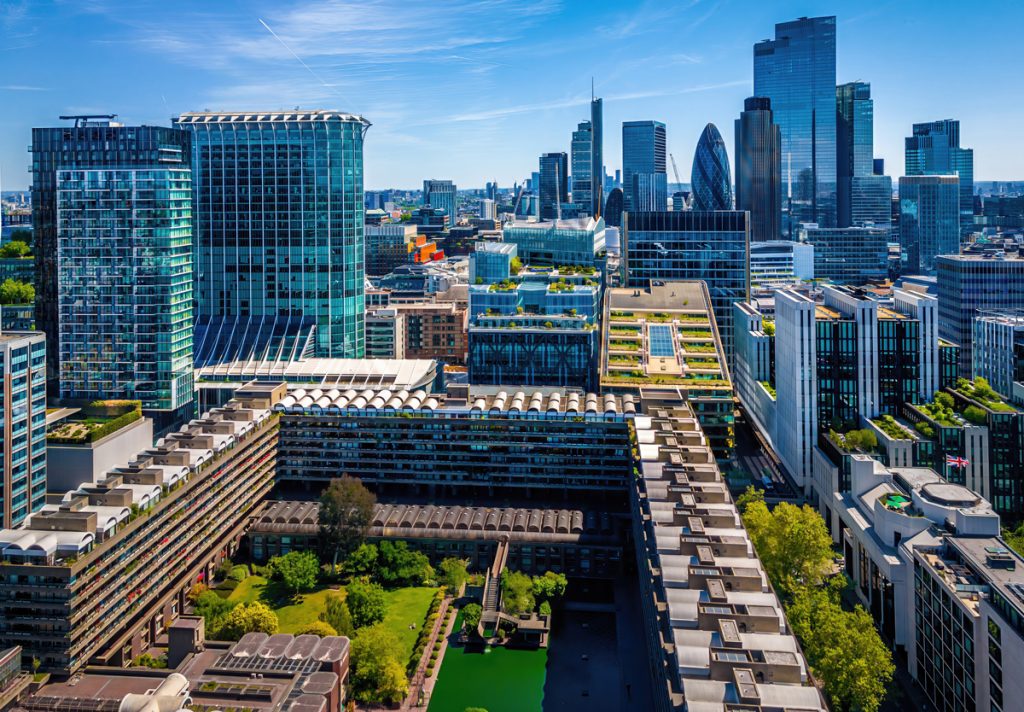
London is often explored through a narrow lens: landmarks, museums, famous streets. Yet many of the places that best explain how the city works are not landmarks at all. They are everyday spaces, working districts and neighbourhoods that sit just outside the tourist gaze. These hidden spots in London are not secret or inaccessible, they are missed because they do not behave like attractions.
Postman’s Park: a memorial most people walk past without understanding
Postman’s Park is located only a few minutes from St Paul’s Cathedral, yet it rarely appears on tourist itineraries. At first glance, it looks like a simple public garden used by office workers during lunch breaks. What most visitors miss is that the park contains one of London’s most moving memorials: the Memorial to Heroic Self-Sacrifice, created in 1900.
The memorial commemorates ordinary people who died while saving others (factory workers, children, domestic staff) at a time when emergency services were limited. Each ceramic plaque tells a specific story, often tragic and deeply human. The park is quiet not because it lacks importance, but because it asks visitors to slow down and read rather than photograph.
This is a hidden spot in London because it rewards attention, not momentum.
Temple: a legal district tourists mistake for a closed zone
The Temple area, between Fleet Street and the Thames, is one of the clearest examples of a hidden spot created by assumption. Many tourists believe the area is private or restricted because it is home to London’s legal profession. In reality, Temple is a network of public courtyards, historic buildings and riverside paths that anyone can enter.
The area dates back to medieval times and still functions as a working legal district during the week. Outside office hours, it becomes one of the calmest spaces in central London. Places like Middle Temple Garden or the small lanes between legal chambers offer a rare sense of quiet so close to the city’s busiest areas.
Temple is missed because it does not advertise itself. It functions first, and only reveals itself to those who step inside.
Barbican Estate: misunderstood because it doesn’t look “historic”
The Barbican Estate is often overlooked by tourists because it does not match the expected image of historic London. Built between the 1960s and 1970s, it is one of Europe’s largest examples of Brutalist architecture and was designed as a self-contained urban environment.
What many visitors don’t realise is that the Barbican includes elevated walkways, internal lakes, gardens, cultural venues and quiet residential spaces. It separates pedestrians from traffic, which creates a sense of disorientation if you are unfamiliar with its layout. This confusion causes many visitors to leave before understanding the space.
For those who take time to explore, the Barbican offers one of the most distinctive urban experiences in London, a hidden spot not because it is unknown, but because it requires curiosity rather than familiarity.
Cultural festivals in London neighborhoods
Many of London’s cultural festivals take place outside the traditional tourist core, rooted in specific neighbourhoods rather than central venues. Events such as local street festivals, community celebrations or neighbourhood parades reflect the city’s multicultural structure far more accurately than large-scale central events.
These festivals are often overlooked because they are not heavily marketed to visitors. They take place in residential areas, follow local rhythms and prioritise participation over spectacle. For travellers who happen to be in the right place at the right time, they offer a rare opportunity to see London as it is lived rather than presented.
South of the river: where London stops performing
For many tourists, London effectively ends at the Thames. Areas south of the river are often reduced to a short walk along the South Bank before visitors return north. This is where some of the most revealing hidden spots in London begin.
Neighbourhoods such as Rotherhithe, Deptford or parts of Greenwich retain a strong connection to London’s industrial and maritime past. Long riverside paths, former docklands and residential streets show how the city expanded through trade rather than tourism. These areas feel less curated and more continuous, which is why they are often skipped by visitors looking for highlights.
Why tourists miss these hidden spots in London (and how not to)
Tourists miss south London because it does not compress well into a checklist. There are fewer “must-see” points and more long, uninterrupted spaces. Visiting these areas works best when time is allowed to stretch, rather than when every hour is planned.
Neighbourhoods that feel local because they are local
Areas without a headline attraction
Some neighbourhoods are missed precisely because they lack a defining landmark. Areas such as Clerkenwell or the backstreets of Bloomsbury are shaped by offices, housing and everyday movement rather than tourism. Their value lies in atmosphere, continuity and scale.
Nothing here demands attention, which allows visitors to observe how London actually functions between its famous sights.
Markets and streets built for routine
Markets that serve local residents tend to be smaller, quieter and more regular than well-known tourist markets. Places like Exmouth Market on weekdays or neighbourhood high streets outside peak hours offer insight into daily life rather than curated experiences.
They are hidden spots in London because they are ordinary — and that ordinariness is exactly what makes them informative.
How to experience hidden spots in London without planning them
Spend longer in fewer places
Hidden spots rarely appear when rushing. Spending more time in a single area allows overlooked spaces to emerge naturally. This approach often feels more efficient, even on short stays, because it reduces constant movement and decision-making.
Arrival sets the tone
Noticing hidden spots requires attention and energy. When arrival into the city is stressful or rushed, exploration narrows to the obvious. Reaching central London smoothly helps preserve that attention. Direct airport transfers such as Terravision reduce early logistical friction, making it easier to start exploring calmly rather than moving immediately into survival mode.
FAQ: cultural events in London
Do hidden spots require extra travel time?
No. Many hidden spots in London are located close to major sights. The difference lies in how time is spent, not how far you travel.
Are hidden spots suitable for first-time visitors?
Yes. Combining well-known landmarks with quieter, overlooked places often makes a first visit feel more balanced and less overwhelming.
Are hidden spots in London accessible without guided tours?
Absolutely. Most hidden spots in London are everyday public spaces that don’t require guides, tickets or reservations. In fact, they are often best experienced independently, allowing visitors to move at their own pace and observe how locals use these places in daily life.
Explore London airport transfers
 Journey time: 50 mins

 Rides approx. every 30mins
 6 intermidiate stops
 Free luggage
 No Booking fee

Trooping the Colour 2026: how to reach London without getting stuck
June 17, 2026
Getting to Wimbledon 2026 – transport and travel guide
May 20, 2026
Cultural events in London: a travel and planning guide
March 25, 2026
Best Attractions in London: 10 Must-See Places
March 17, 2026
Travelling to London : what to do in every season
March 11, 2026
Arriving at Stansted Airport: your first hour in London
March 9, 2026
How many terminals are there at stansted airport?
March 3, 2026